IPVA 2022 SP – É um imposto pertencente ao cidadão paulista e a todo cidadão brasileiro no qual paga impostos ao governo federal, estadual e municipal, mas quem possui veículo automotor como carro, ônibus, caminhão e moto, por exemplo, paga um imposto a mais, o IPVA.
Este é o Imposto sobre Propriedade de Veículos Automotores que é cobrado anualmente pelos estados brasileiros. O proprietário de veículo deve ficar atento a data de vencimento do IPVA São Paulo. O estado de São Paulo permite que o contribuinte possa realizar o pagamento em cota única ou parcelado em duas vezes.
O Departamento de Trânsito de cada estado é o responsável por emitir o carnê de pagamento do IPVA SP a todos os contribuintes. Com o que é arrecadado 50% fica com o estado para que sejam realizadas manutenções e obras nas estradas e rodovias brasileiras.
IPVA 2022 SP
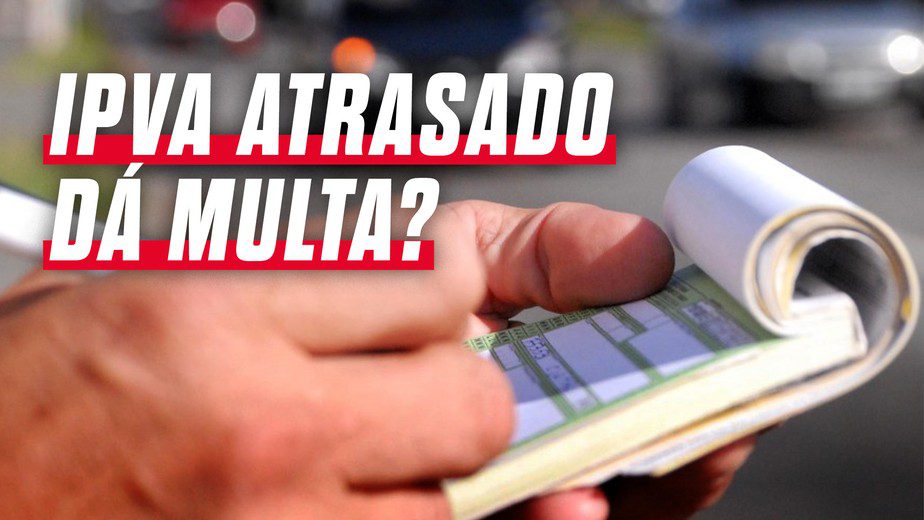
São Paulo é um estado brasileiro que possui uma frota significativa de veículos automotores. O governo do estado já realizou e divulgou o calendário de pagamento para o IPVA. É através dele que o contribuinte vai saber a data limite para efetuar o pagamento IPVA SP sem correr o risco de ser multado ou do veículo ficar sem licença para rodar.
Caso isso aconteça e os agentes de trânsito verifiquem isso, o veículo pode ser apreendido até que sua situação seja regularizada.
→ Onde é aplicado o valor do imposto?
Vale ressaltar que 50% do valor ganho do imposto será destinados aos municípios que os veículos estão emplacados, esse recurso serve para sinalizar as ruas, colocar faixas de pedestres entre outros. Milhões de brasileiros possuem ao menos um veículo como uma moto ou carro, por exemplo.
Saiba que todos eles devem se preparar para realizar o pagamento do IPVA SP. Somente após o pagamento do mesmo é que eles podem receber o documento que garante que o imposto foi pago e que, por causa disso, eles estão liberados para circular pelas estradas e rodovias.
Mas o contribuinte deve ficar atento quanto ao prazo para pagar IPVA 2022 SP. Para isso, é necessário entrar no site do Detran do estado que o veículo está emplacado.
Quem mora no estado de São Paulo, basta ler as informações que estão sendo repassadas por esse artigo.
Consulta
A emissão do carnê de pagamento é feito pelo Detran do referido estado, mas quem o entrega na residência do contribuinte é os Correios. Caso aconteça do carnê não ser entregue ou o proprietário do veículo queira consultar o valor do IPVA SP para se programar, somente é preciso seguir os passos que estão descritos logo abaixo.
Veja agora os passos a serem seguidos para realizar a consulta IPVA 2022 SP, eles são bem simples e não há custo algum nisso:
- Entre no site do Detran www.detran.go.gov.br;
- Na tela seguinte aparece uma serie de orientações e logo abaixo uma caixa com os dizeres Li e Concordo com as orientações. Essa caixa precisa ser marcada;
- O botão Confirmar deve ser clicado;
- Na próxima janela pede que seja inserido o número da placa e também o
- RENAVAM do veículo que deseja fazer a consulta RENAVAM;
- O código de segurança deve ser digitado;
- Por ultimo, o botão Enviar Informações deve ser clicado.
Calendário
Todos os anos a tabela IPVA SP passa por atualizações. Isso é preciso, pois somente dessa forma é que serão fornecidos de forma atualizada todos os prazos que o contribuinte tem para poder regularizar o imposto.
O estado de São Paulo já realizou a divulgação do calendário de pagamento do IPVA, você pode conferir diretamente no próprio site do Detran.
Como o calendário IPVA 2022 SP ainda não foi disponibilizada, abaixo nós colocamos a tabela do ano de 2017, veja agora:
Pagamento
O estado de São Paulo quis garantir que os proprietários de veículos pudessem ter diversos pontos para realizar o pagamento do IPVA 2022 SP. Por isso, ele emite o boleto de cobrança que pode ser pago nos bancos a seguir:
- Banco Santander;
- Caixa Econômica Federal;
- Itaú;
- Bradesco;
- Banco do Brasil.
Além dessas agencias bancarias, o contribuinte também pode se dirigir as casas lotéricas para efetuar o pagamento e evitar a multa RENAINF. Lá eles também estão recebendo esse imposto.
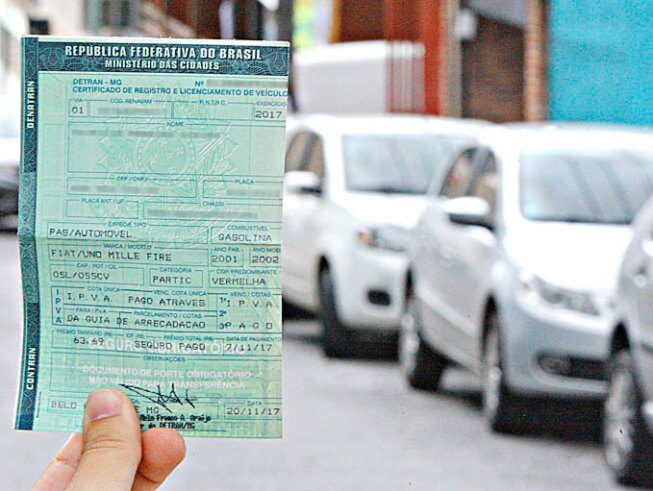
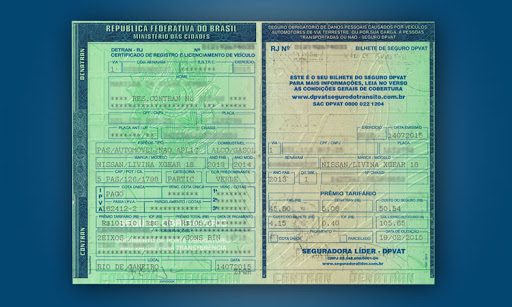
Após o pagamento ter sido realizado, é feita a emissão do certificado de licenciamento que é entregue na residência do dono do veículo em 7 dias. É preciso que esse certificado fique guardado dentro do veículo, pois ele serve para provar que o mesmo encontra-se com o IPVA São Paulo em dia.
Confira também:
Além do boleto de pagamento IPVA GO ser enviado para a residência do contribuinte, ele também pode optar por emiti-lo pela internet caso não o receba, como ensinamos acima.
Ao ler esse artigo, entende-se que o IPVA SP é um imposto obrigatório para todos os proprietários de veículos automotores do estado goiano e de todo o Brasil. Sendo assim, não deixe o seu carro com dividas e sempre esteja apto a transitar nas rodovias brasileiras.
Caso possua alguma dúvida referente ao IPVA 2022 SP deixe o seu comentário para que possamos te responder o mais breve possível. Boa Sorte!!